The Kellogg Creek Student Macroinvertebrate Monitoring Program is a collaboration between the North Clackamas Watersheds Council and local schools in the North Clackamas School District, including Rowe Middle School, Milwaukie High School and PACE (Parenting, Academics, Career, and Employment) to provide students with hands-on field experience monitoring water quality in Kellogg Creek before, during, and after the removal of Kellogg Dam and the restoration of lower Kellogg Creek. Participating classrooms survey for macroinvertebrates in one of four survey locations, including two locations within the Kellogg Impoundment, upstream behind Rowe Middle School and at the confluence of Kellogg Creek and the Willamette River.
Macroinvertebrates are used as bioindicators of water quality, based on their varying tolerances to disturbance and pollution. Data that students collect on macroinvertebrate communities in Kellogg Creek prior to the dam removal will be compared to data collected after restoration to see how things change!
The Kellogg Creek Student Macroinvertebrate Monitoring Program is an educational program that supports environmental career development. The program provides workforce development opportunities to volunteers, college students and Confluence Environmental Center AmeriCorps members who assist in it’s development and implementation.
If you want to learn more about the removal of Kellogg Dam, check out the Kellogg Creek Restoration and Community Enhancement Project website here.

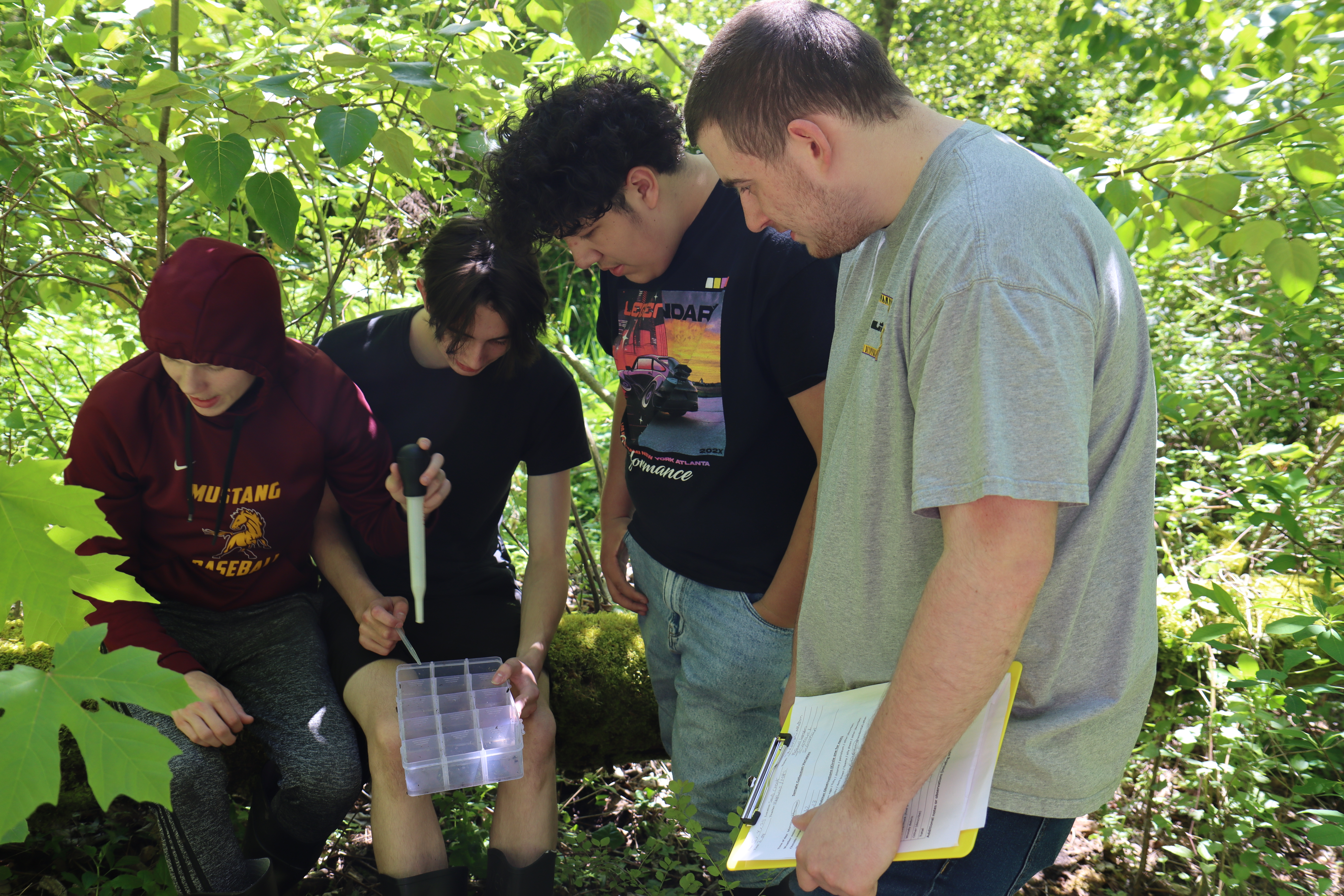
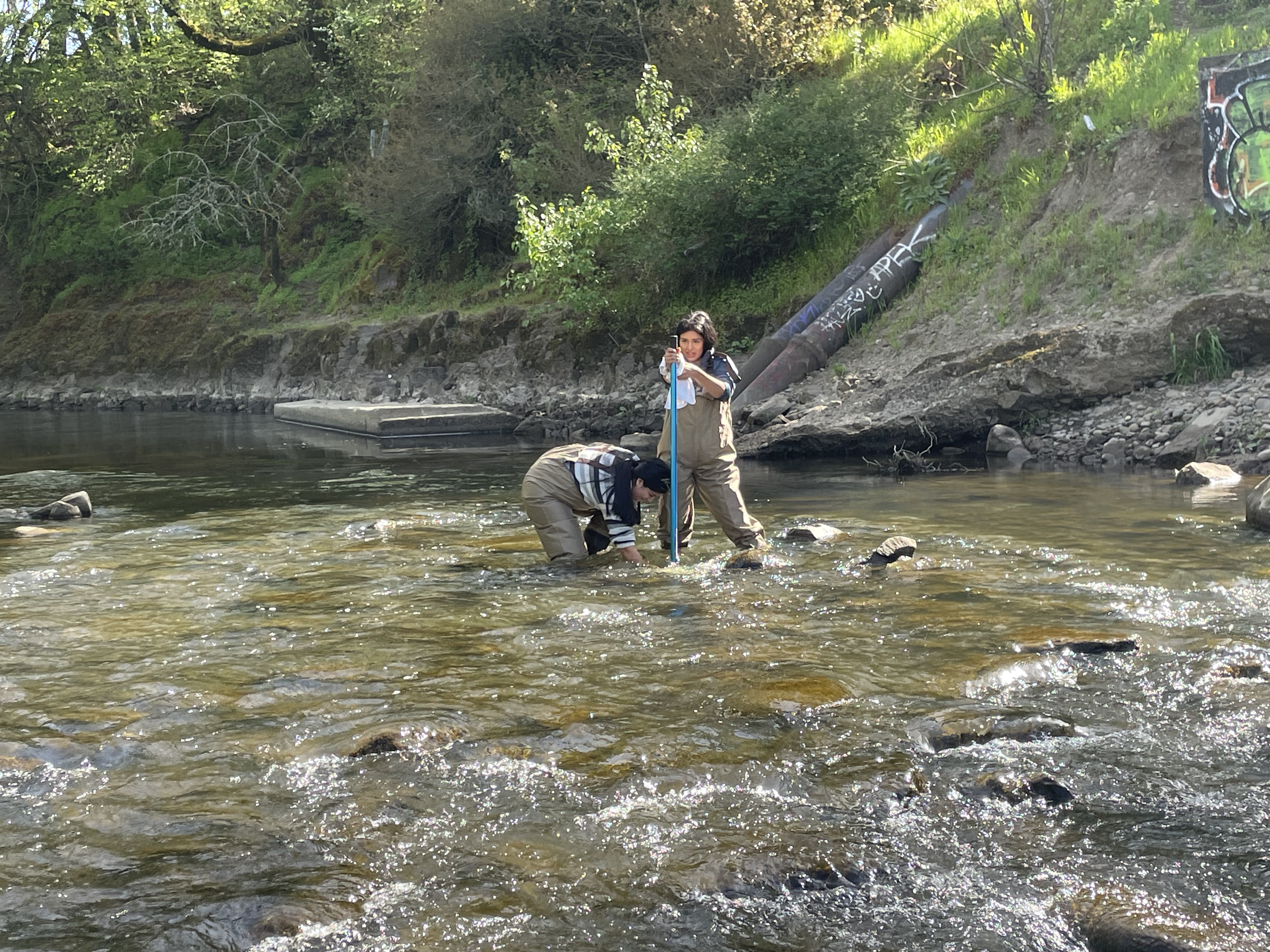
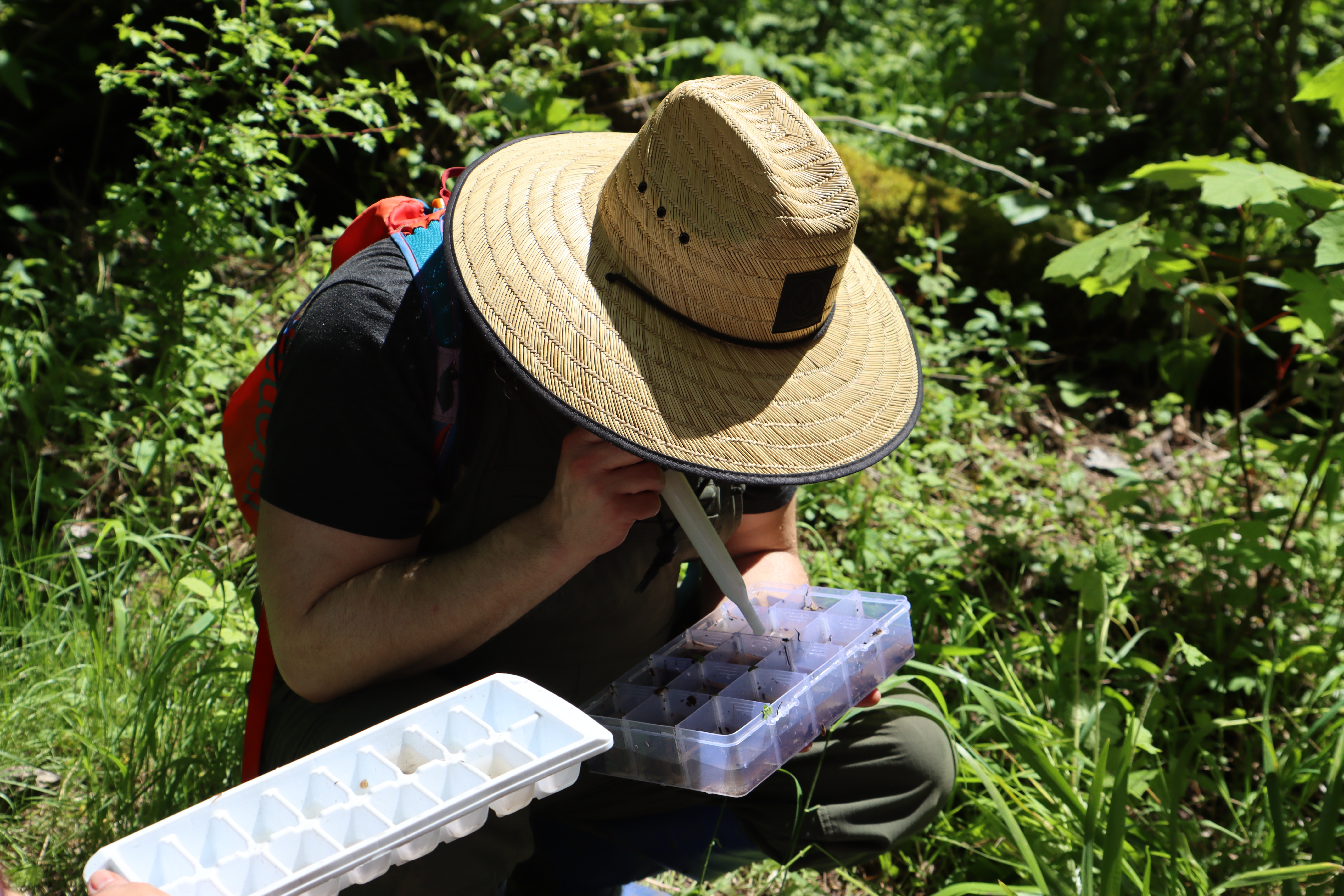
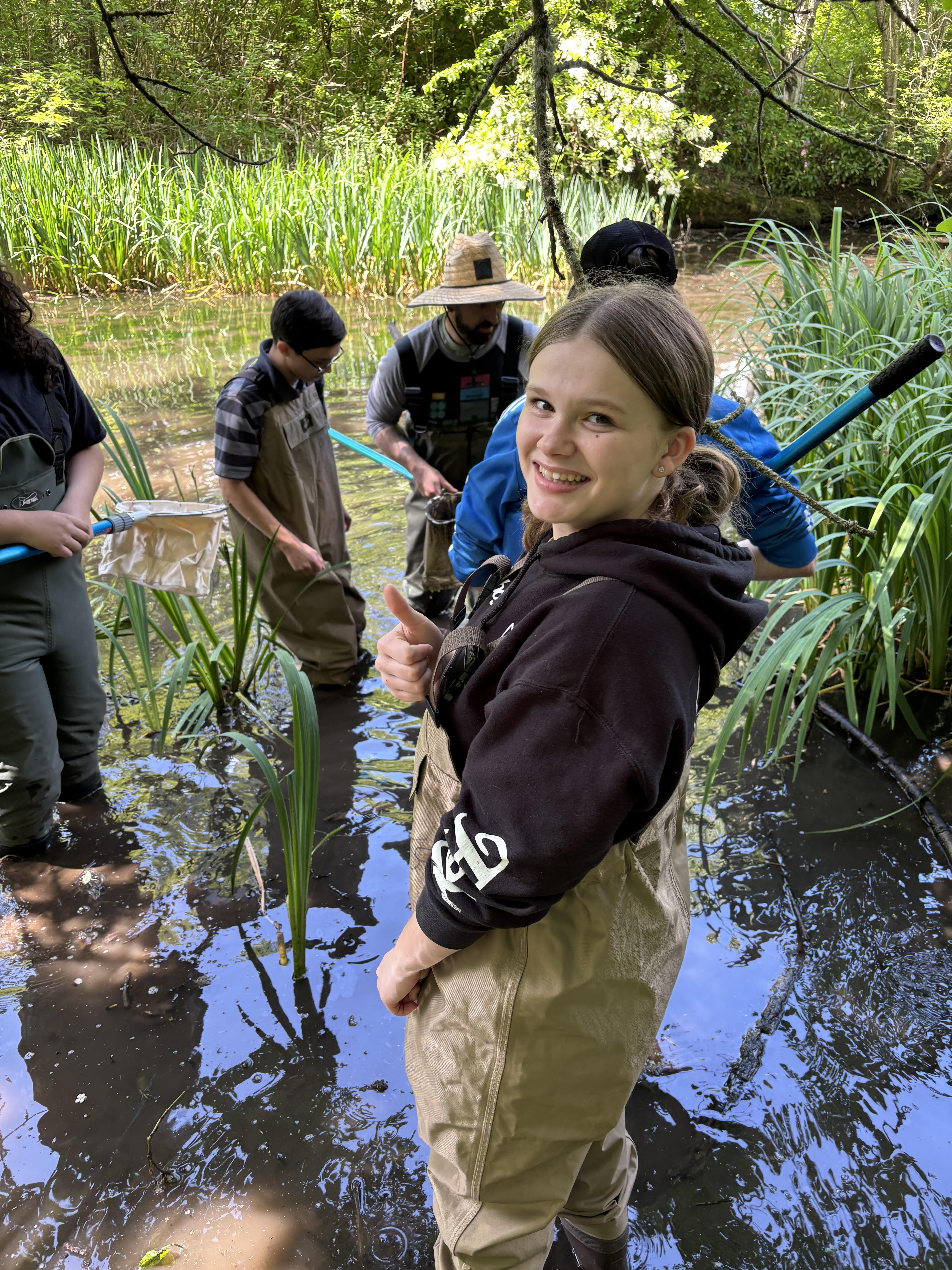
From top to bottom, left to right: Peyton Priestman and MHS Biology students practice collecting samples from the impoundment; MHS Biology students sort their macroinvertebrates; Students collect macroinvertebrates from Johnson Creek; PSU student Brian Weir helps to sort samples; MHS student shows some enthusiasm for the macroinvertebrate collection process!
Students use non-lethal survey methods developed by Portland State University’s Dr. Patrick Edwards to collect and identify macroinvertebrates from their survey site. Student identifications are verified in the field by professional entomologist Zee Searles Mazzacano, from CASM Environmental, North Clackamas Watershed Council’s Community Science Coordinator, Peyton Priestman, and Student Research Assistants from Portland State University and Lewis & Clark College.
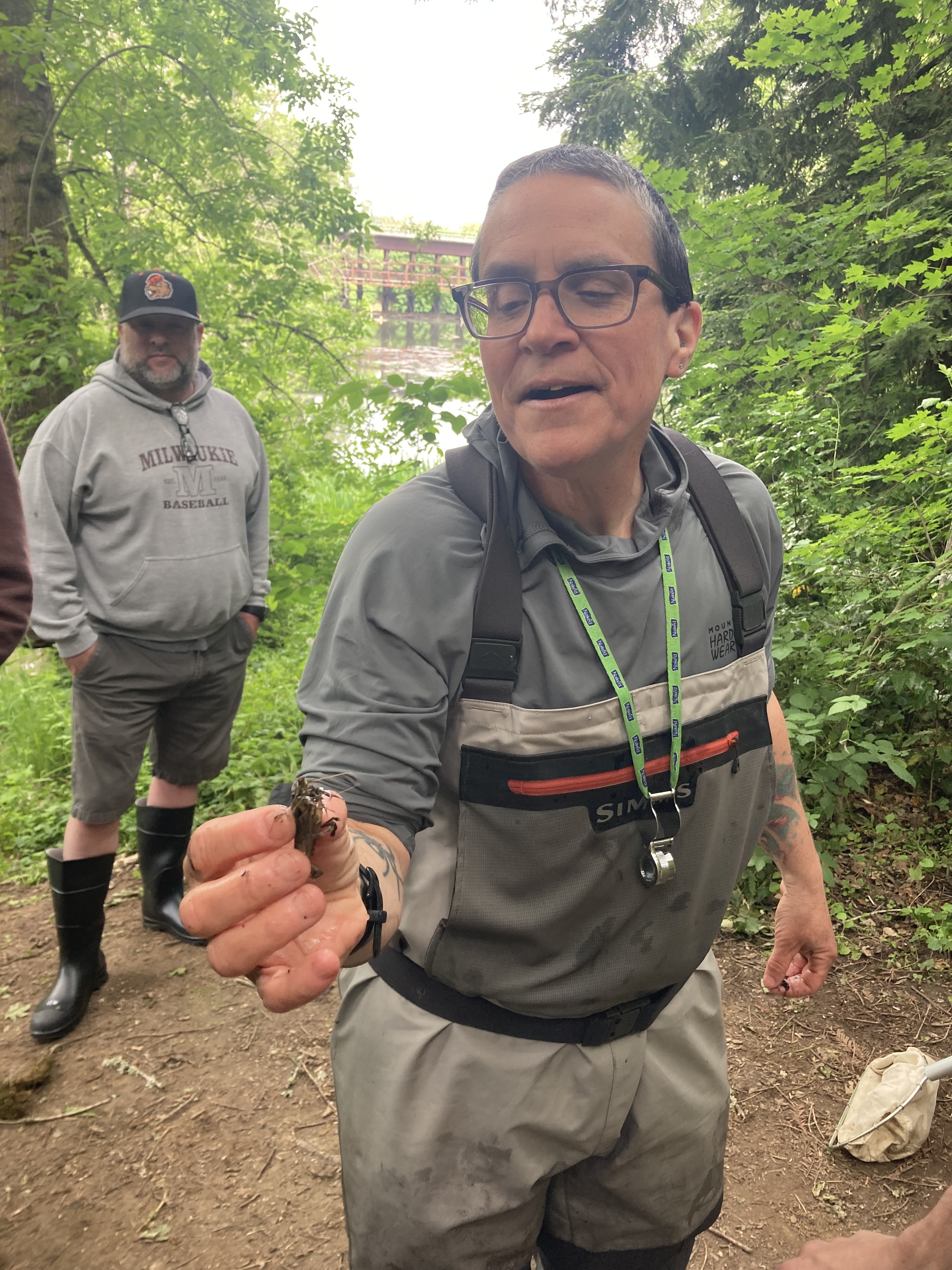
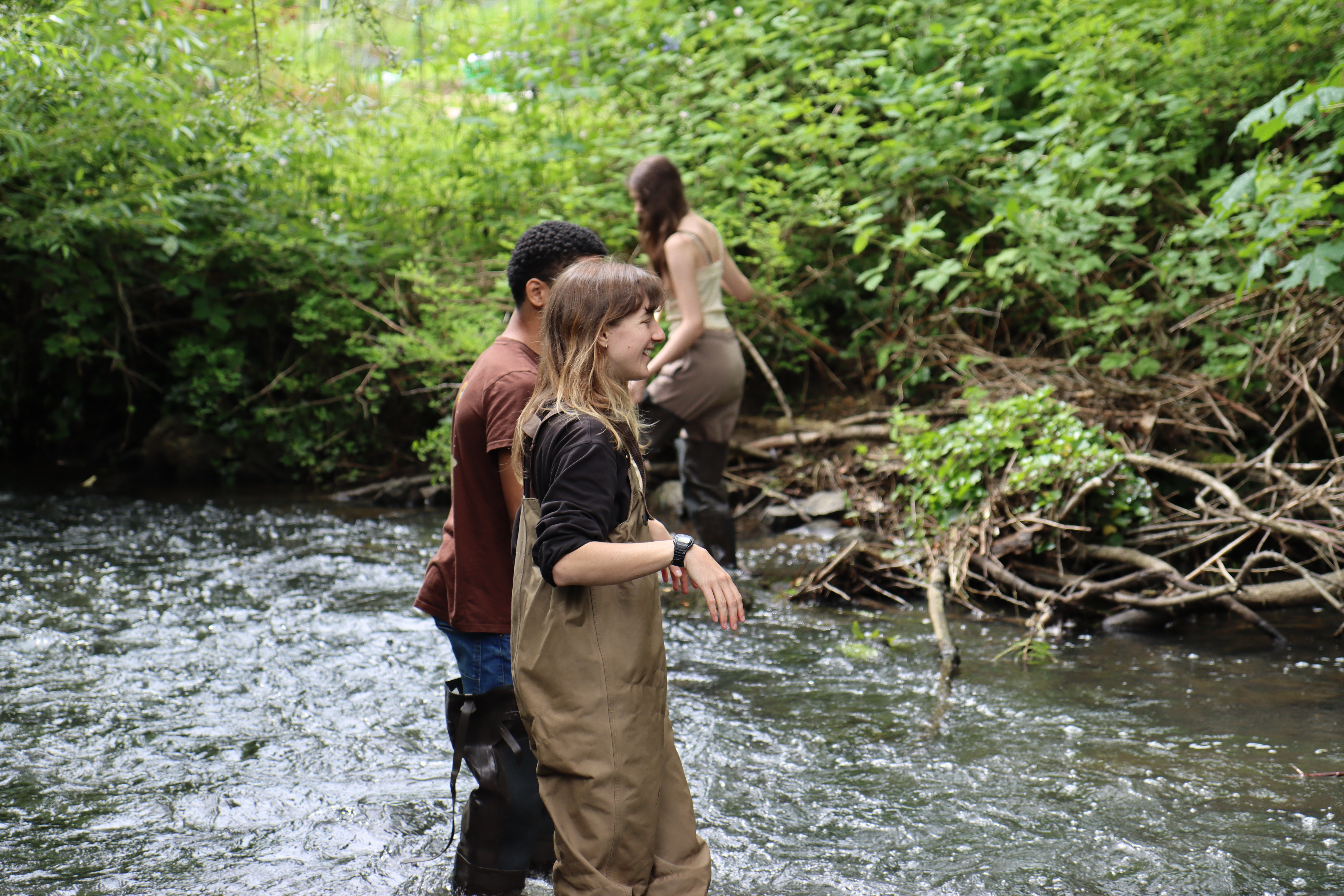
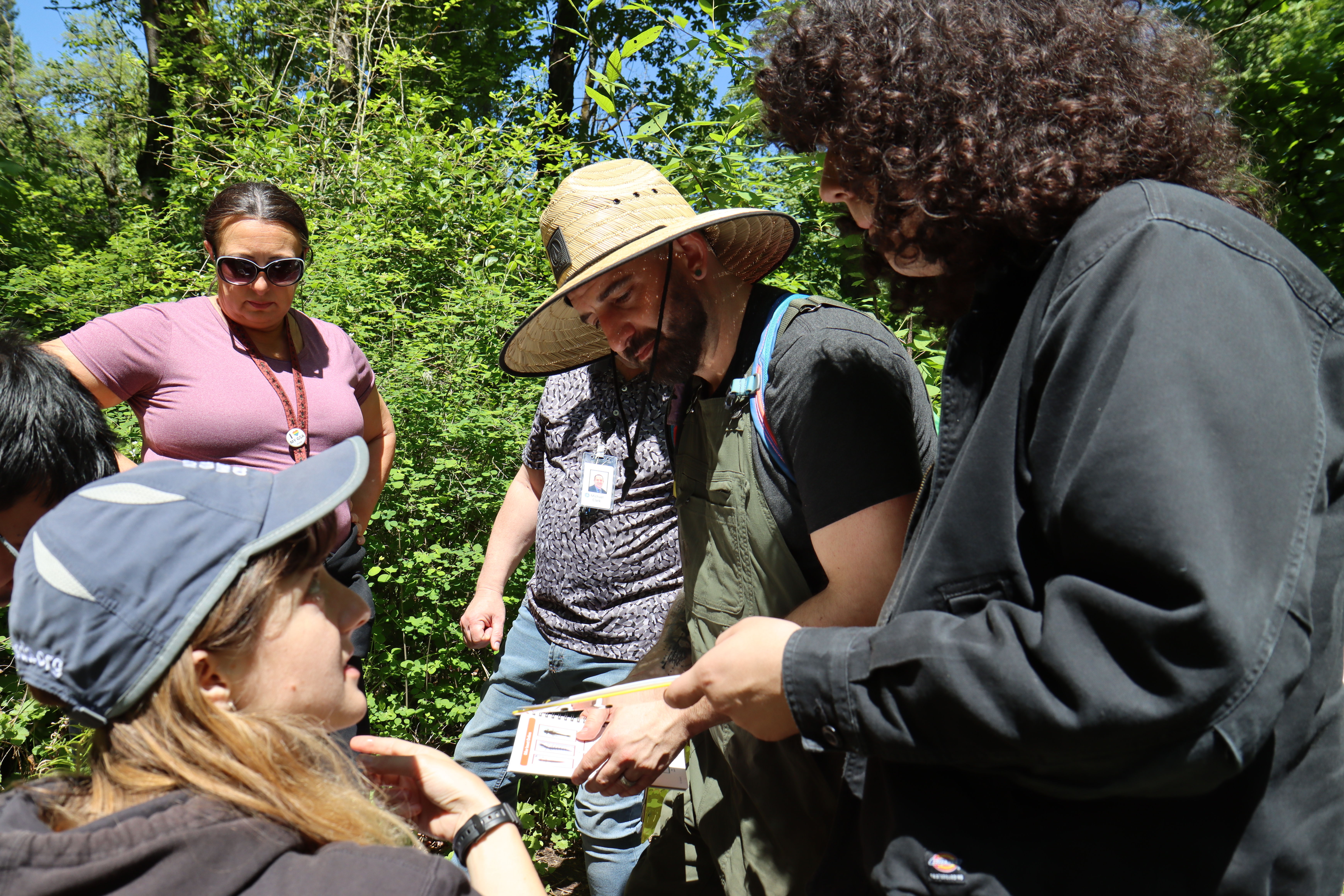
From left to right: Zee showing off a small crawdad; Peyton enjoying a break in the creek; Brian helping to identify macroinvertebrates.
You can read the full survey methods in Dr. Edwards paper “The Value of Long-Term Stream Invertebrate Data Collected by Citizen Scientists” below!
The Kellogg Creek Student Macroinvertebrate Monitoring Program is funded by:

 ncwatersheds.org